


Should you’ve suffered from panic assaults, have bother sleeping, or really feel anxious attributable to a triggering occasion, it is likely to be doable that you’re experiencing trauma. Trauma is without doubt one of the most typical points suffered by many people on the earth and people who expertise it ceaselessly, undergo lots of psychological and bodily pressure.
Coping with trauma includes visits to an authorized psychological well being physician and tons of remedy and interventions. Nonetheless, folks are actually searching for different different holistic strategies akin to trauma-informed yoga to handle their signs and increase restoration.
At the moment we might be wanting into some yoga poses that may assist you to launch trauma saved within the physique and thoughts.
What’s Trauma, and Can Yoga Facilitate Therapeutic?
Trauma, in essence, is the lingering emotional and psychological influence ensuing from distressing occasions, typically leaving an imprint on each thoughts and physique. These experiences can vary from sudden shocks to extended stress, creating an intricate net of responses that have an effect on psychological well being.
Trauma can emerge as a response to any scenario that an individual perceives as bodily, emotionally, or negatively damaging. At any age, you’ll be able to undergo traumatic experiences that may have an enduring influence in your psychological and emotional well-being.
Yoga as therapeutic modality for trauma
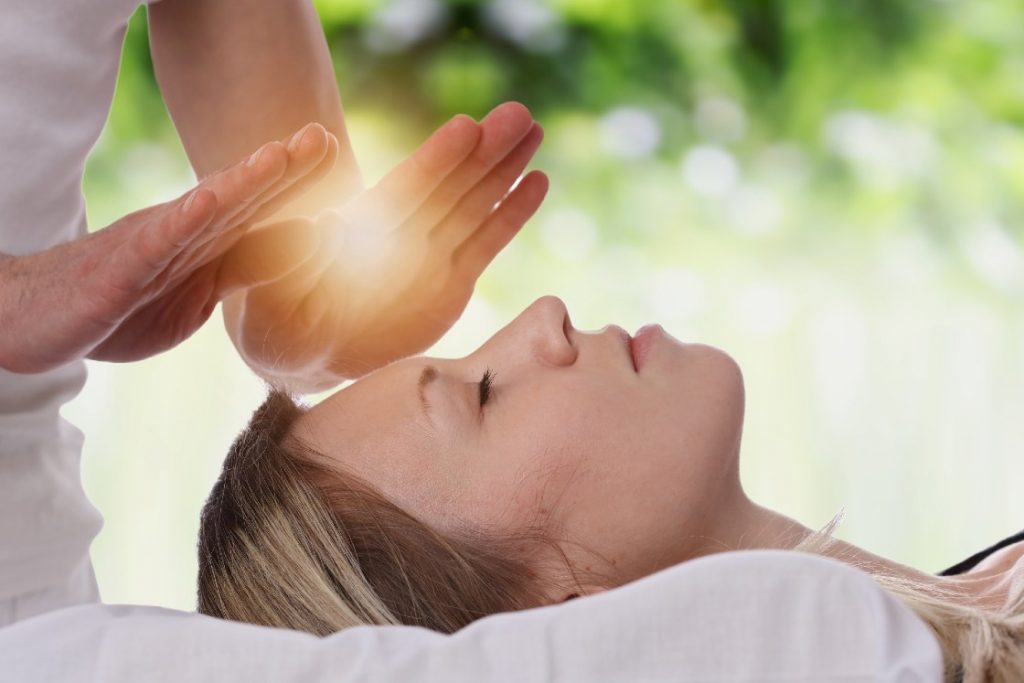
Conventional approaches to trauma restoration typically contain skilled remedy and medical interventions. Nonetheless, a rising variety of people are turning to holistic strategies like trauma-informed yoga to enhance their therapeutic journey. Yoga, with its conscious motion and give attention to the mind-body connection, has proven promise in helping people in releasing saved trauma.
The apply of trauma-informed yoga includes a delicate strategy, acknowledging the potential triggers and making a secure area for members. By rigorously curated poses and mindfulness strategies, yoga can assist in unwinding bodily pressure, soothing the nervous system, and fostering a way of empowerment.
Whereas it might not substitute standard therapeutic strategies, incorporating trauma-informed yoga right into a complete wellness plan could be a beneficial and empowering step towards therapeutic.
Learn extra: The Therapeutic Energy of Yoga Mudras
How can Yoga assist in Trauma Launch?
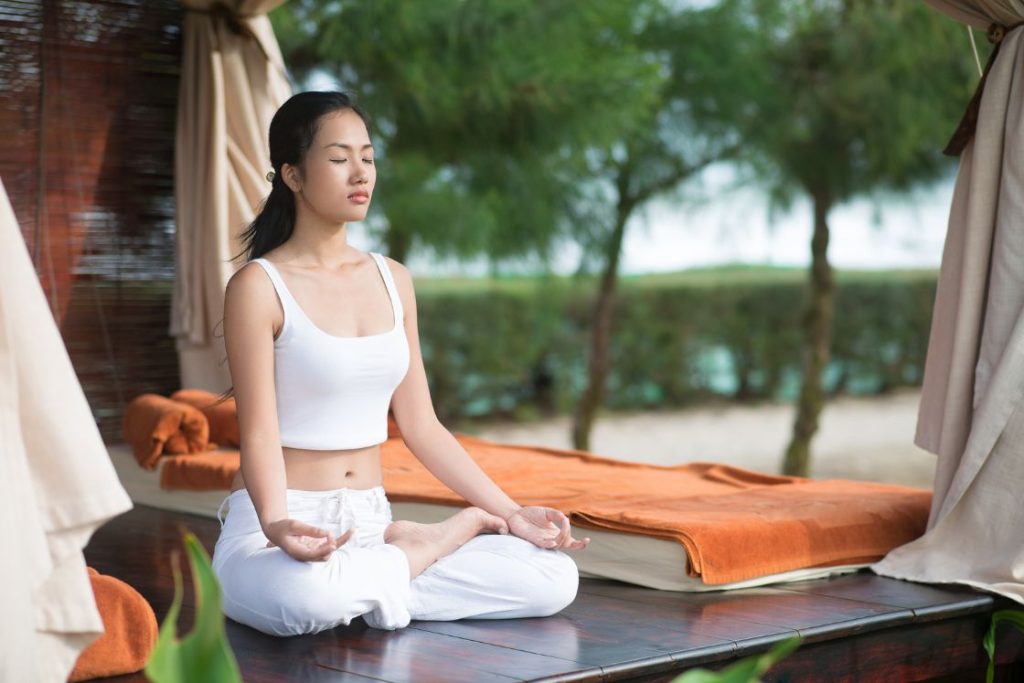
Central to trauma therapeutic yoga is the cultivation of self-awareness and the flexibility to remain current, permitting people to interpret and navigate bodily reactions successfully. Attaining a state of profound rest is vital to re-regulating the neural system, and numerous strategies and methods can facilitate this course of.
Trauma-informed methods, akin to yoga, play a vital function in creating a way of security and luxury for a lot of people. The well-documented advantages of yoga for stress discount make it a strong instrument in addressing the disruptions trauma may cause to the mind and nervous system.
Yoga, with its emphasis on breath and motion, particularly targets disturbances within the mind and nervous system ensuing from trauma. Trauma-informed yoga goes past conventional apply, aiming to ascertain a secure and supportive setting the place members can improve emotional administration abilities by means of breathwork and heightened bodily consciousness.
When guided by skilled instructors inside a therapeutic setting, trauma-informed yoga could even function a therapeutic modality for individuals who have skilled trauma. Trauma-informed yoga emphasizes selection and empowerment in each posture. Contributors are inspired to make selections based mostly on their consolation, selling a way of management which may be missing for trauma survivors.
Trauma can result in a disconnection between the thoughts and physique. Yoga encourages embodied consciousness, fostering an understanding of sensations, feelings, and bodily responses.
Within the subsequent sections, we’ll discover seven yoga poses generally included in trauma-informed routines, every providing beneficial contributions to the method of trauma therapeutic.
Launch Trauma with These 7 Yoga Poses
In trauma-healing yoga, give attention to poses that focus on hip-opening and stretching is paramount. The hip area typically turns into a repository for accrued trauma, nervousness, and stress. By partaking in hip-opening poses, you provoke a technique of unraveling and releasing the emotional and bodily pressure saved on this space.
Moreover, heart-opening poses, spinal actions, and postures that improve circulation to the top play a pivotal function in releasing trauma from the physique. These poses not solely encourage a way of emotional launch and self-acceptance but in addition contribute to bodily advantages by boosting blood movement and calming the nervous system.
Let’s discover seven yoga poses particularly curated to facilitate trauma launch and foster holistic well-being:
Baby’s Pose (Balasana)
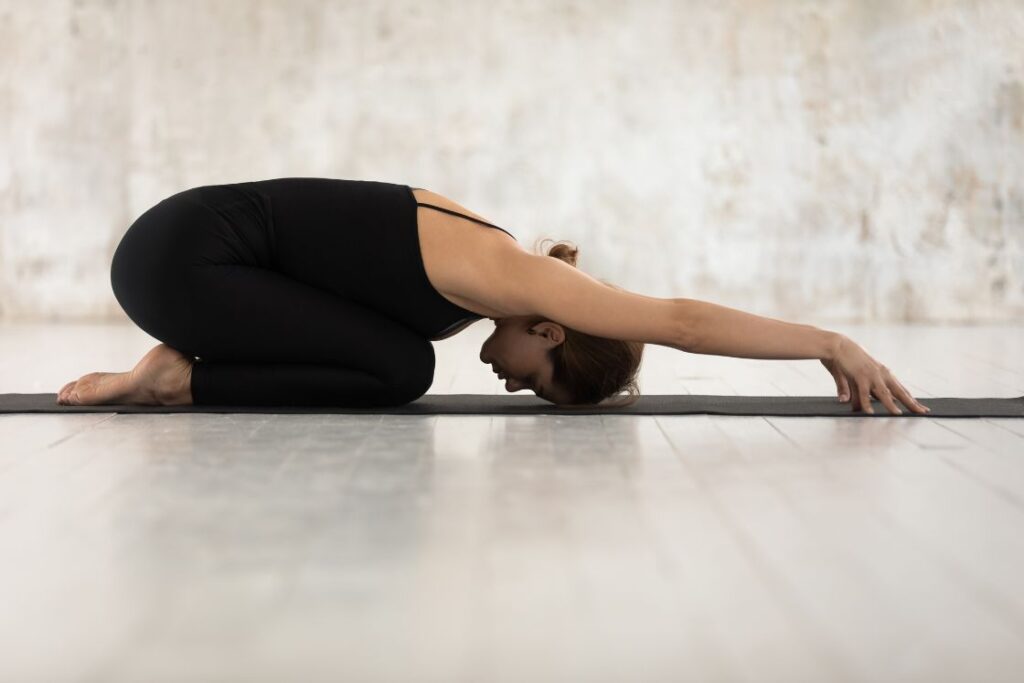
Start your trauma-healing journey with the nurturing embrace of Baby’s Pose. This grounding posture invitations mindfulness and presence, providing a safe area so that you can reconnect together with your breath at any second.
As you give up into Baby’s Pose, really feel the light launch of pressure in your glutes and hips, making a pathway for a serene movement of blood and oxygen. This bodily launch contributes to a chilled impact on each the thoughts and nervous system.
The cooling influence in your physique redirects your consideration inward, fostering a way of internal calm. For individuals who could discover mendacity on their backs difficult, maybe attributable to previous trauma, Baby’s Pose offers a compassionate different to Corpse Pose.
Baby’s Pose for Trauma Launch: Step-by-Step
- Begin in a Kneeling Place: Start in your arms and knees, with wrists instantly beneath your shoulders and knees underneath your hips. Guarantee a snug and secure basis.
- Widen Your Knees: Gently separate your knees to a width that feels comfy for you. This enables area in your torso to settle between your thighs.
- Hinge on the Hips: Slowly decrease your hips again towards your heels, extending your arms ahead as you hinge on the hips. Really feel the stretch alongside your backbone.
- Prolong Your Arms: Attain your arms out in entrance of you, extending them totally. Enable your brow to relaxation on the mat, making a lengthening sensation by means of your backbone and neck.
- Alter Arm Place: Discover a comfy arm place that fits you. You possibly can maintain your arms prolonged or carry them alongside your physique with palms going through up—no matter feels most soothing.
- Breathe Mindfully: Take sluggish, deep breaths, directing your breath into the areas that really feel pressure. As you inhale, envision releasing stress, and as you exhale, let go of any lingering pressure.
- Keep Current: Deliver your consciousness to the current second. If ideas come up, acknowledge them with out judgment, and gently information your focus again to your breath and the comforting embrace of the pose.
- Maintain and Launch: Stay in Baby’s Pose for a period that feels comfy, progressively rising the time as you turn out to be extra aware of the posture. When able to launch, achieve this mindfully, bringing consciousness again to your environment.
Keep in mind, the important thing to utilizing Baby’s Pose for trauma launch lies in shifting at your personal tempo, honoring your physique, and making a secure area for self-care and therapeutic.
Legs-Up-The-Wall Pose (Viparita Karani)
The subsequent pose in your trauma therapeutic journey is the Legs-Up-The-Wall pose, a rejuvenating posture designed to loosen up and launch stagnant vitality from the legs. As you indulge on this light inversion, you’ll expertise each psychological and bodily rejuvenation.
Viparita Karani pose works wonders in assuaging psychological fatigue and bodily permitting the legs to expel outdated vitality, selling a profound sense of renewal. This pose doesn’t simply cease on the bodily; it extends its soothing contact to the neurological system, inducing a right away calming impact. By stimulating the parasympathetic nervous system, your physique and thoughts seamlessly transition right into a state of rest, supported by the reassurance signaled to the vagus nerve that it’s secure to unwind.
The sluggish, deliberate respiration inspired by this pose additional facilitates rest, making a serene sanctuary in your trauma therapeutic journey. Moreover, Legs-Up-The-Wall promotes optimum circulation and enhances blood movement to the mind, amplifying the general therapeutic advantages of this soothing posture.
Legs-Up-The-Wall Pose for Trauma Launch: Step-by-Step
- Preparation: Discover a quiet and cozy area the place you gained’t be disturbed. Clear a wall area, guaranteeing it’s freed from any obstacles.
- Positioning: Sit sideways towards the wall together with your hip touching it. Gently swing your legs up alongside the wall whereas mendacity in your again. Your physique ought to type an L-shape, together with your legs resting vertically towards the wall.
- Correct Alignment: Guarantee your hips are comfortably nestled towards the wall, and your backbone is in a straight line. Alter your distance from the wall as wanted, permitting for a way of ease in your decrease again.
- Arm Placement: Relaxation your arms in a snug place, both by your sides with palms going through up or in your stomach. Experiment with arm placement to search out what feels most stress-free for you.
- Leisure and Breath: Shut your eyes and focus in your breath. Inhale deeply by means of your nostril, permitting your stomach to rise, and exhale slowly by means of your mouth. Embrace a sluggish and regular respiration rhythm to boost rest.
- Keep within the Pose: Enable your self to remain on this restorative place for five to fifteen minutes, or longer if it feels comfy. Use this time to let go of pressure and convey your consideration inward.
- Conscious Launch: As you relaxation within the Legs-Up-The-Wall pose, visualize releasing pressure and stagnant vitality with every exhale. Domesticate a way of ease and give up, permitting the pose to help your journey in direction of trauma launch.
- Exiting the Pose: If you’re able to conclude the pose, gently bend your knees and roll to 1 facet earlier than slowly rising to a seated place. Take a second to note how you are feeling earlier than transitioning again into your day.
Keep in mind, it’s essential to take heed to your physique and alter the pose to fit your consolation degree. In case you have any issues or well being circumstances, seek the advice of with a certified yoga teacher or healthcare skilled earlier than trying new poses.
Corpse Pose (Savasana)
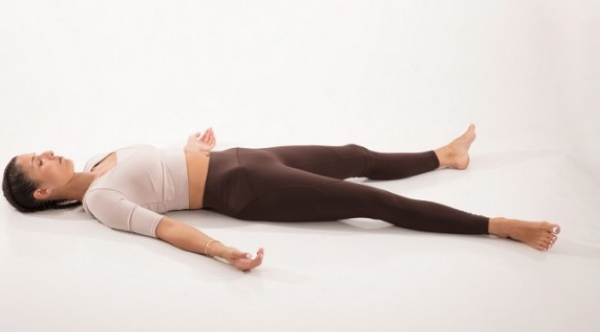
In trauma-informed yoga, Corpse Pose stands as a potent posture, offering a tranquil pathway to launch saved trauma. As practitioners lie supine, the pose induces profound rest, systematically unwinding bodily and emotional pressure from toes to move.
This intentional rest fosters heightened mind-body consciousness, permitting for the identification and delicate launch of saved feelings.
Savasana’s stillness cultivates psychological quietude, calming the nervous system and assuaging the fight-or-flight response related to trauma.
Embracing emotional launch by means of visualization, Corpse Pose turns into a therapeutic area for deep-seated pressure to dissipate. Practiced for an prolonged period, ideally 5-10 minutes or longer, Savasana turns into a nurturing posture, enjoying a pivotal function within the journey towards trauma launch and holistic well-being.
Corpse Pose (Savasana) for Trauma Launch: Step-by-Step Information
- Beginning Place: Start by mendacity down in your again in a snug and relaxed method. Prolong your legs straight, letting them fall open naturally. Enable your arms to relaxation by your sides, together with your palms going through up.
- Snug Alignment: Guarantee your backbone is in a impartial place and your physique is comfy on the mat. Alter your place as wanted to launch any pressure.
- Shut Your Eyes: Softly shut your eyes to show your focus inward. This helps create a serene and introspective environment, selling rest.
- Conscious Breath: Deliver consciousness to your breath. Inhale deeply by means of your nostril, feeling your chest and stomach rise, and exhale by means of your mouth, letting go of any residual pressure.
- Progressive Leisure: Beginning out of your toes, consciously loosen up every a part of your physique. Transfer by means of your ft, legs, torso, arms, and head. This progressive rest approach enhances the discharge of bodily and emotional pressure.
- Psychological Imagery: Interact in psychological imagery by visualizing a peaceable and calming scene. This visualization aids in diverting the thoughts from stressors, contributing to a way of tranquility.
- Time for Stillness: Enable your self to stay in Corpse Pose for not less than 5-10 minutes, or longer if desired. This prolonged interval of stillness offers a possibility for a deep launch of saved trauma.
- Conscious Exit: When able to conclude the pose, start to deepen your breath. Gently wiggle your fingers and toes, slowly awakening your physique. Roll onto your facet earlier than progressively sitting up.
Corpse Pose, when approached with mindfulness, serves as a strong instrument for trauma launch. Its emphasis on deep rest and psychological quietude creates an area for each bodily and emotional pressure to dissipate.
Cat-Cow Pose (Marjaryasana-Bitilasana)
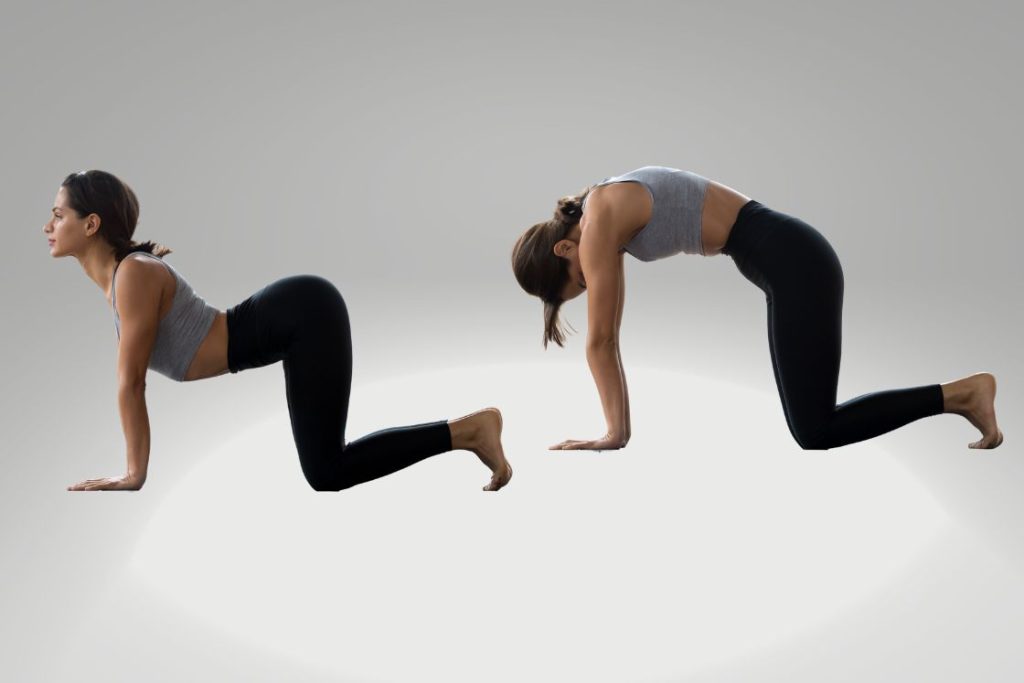
Cat-Cow Pose, a dynamic and fluid sequence, turns into a beneficial posture in trauma launch inside the realm of yoga. This rhythmic movement between arching and rounding the backbone presents a novel mixture of bodily and emotional advantages.
The undulating movement of Cat-Cow engages all the backbone, selling flexibility and releasing pressure saved within the again and neck. This intentional motion creates a mild therapeutic massage for the backbone, fostering a way of ease and openness.
As practitioners synchronize breath with motion in Cat-Cow, a conscious connection between physique and breath is established. This heightened consciousness serves as a grounding factor, permitting people to remain current and launch emotional pressure saved within the physique.
Furthermore, the cyclical nature of Cat-Cow encourages a way of fluidity and rhythm, which could be particularly therapeutic for trauma survivors. This pose turns into a mild but empowering apply, inviting people to discover the nuances of motion and breath, contributing to the holistic journey of trauma launch.
Cat-Cow Pose for Trauma Launch: Step-by-Step Information
- Beginning Place – Tabletop: Start in a tabletop place, together with your wrists instantly underneath your shoulders and your knees underneath your hips. Guarantee a impartial backbone as the start line.
- Cow Pose – Inhale: Inhale deeply as you arch your again, dropping your stomach in direction of the mat. Raise your head and tailbone in direction of the ceiling, creating a mild curve in your backbone. This motion releases pressure within the again and opens up the entrance of the physique.
- Conscious Breath and Motion: Coordinate your breath with the motion, permitting the inhalation to information the extension of the backbone. This synchronized breath and movement improve the mind-body connection, selling a way of mindfulness and presence.
- Cat Pose – Exhale: On the exhale, spherical your backbone in direction of the ceiling. Tuck your chin to your chest and interact your stomach muscle tissues. This rounding motion releases pressure within the higher again and stretches the backbone in the other way.
- Repeat the Movement: Proceed to movement between Cow and Cat Poses in a rhythmic and fluid movement. Let the motion be light and intuitive, adapting to what feels comfy in your physique. The dynamic nature of Cat-Cow encourages a launch of pressure and emotional blockages.
- Discover Vary of Movement: Discover the total vary of movement in your backbone throughout every cycle. This exploration permits for a gradual launch of saved feelings and bodily pressure, notably within the again and neck areas.
- Conscious Consciousness: Preserve a heightened consciousness of how your physique responds to every motion. Discover any areas of tightness or resistance, and use the breath to softly information your physique in direction of launch.
- Prolonged Movement: Proceed the Cat-Cow movement for 5-10 minutes or longer, adapting the tempo to your consolation. The prolonged period offers a therapeutic area for deep-seated pressure to unravel, fostering a holistic launch in each physique and thoughts.
- Closing Resting Pose: Conclude your Cat-Cow apply by returning to a impartial tabletop place. Take a second of stillness, permitting the results of the motion to settle, and observe any modifications in your physique’s sensations.
Practising Cat-Cow Pose with conscious consciousness and a mild, intuitive movement bec
Bridge Pose (Setu Bandhasana)
Step into tranquility with the Bridge Pose, a potent posture that seamlessly intertwines serenity, energy, and trauma launch. As you ascend into the Bridge pose, really feel the expansiveness of your chest, therapeutic the guts chakra.
This pose is pivotal step within the journey towards forgiveness and self-love which is essential for untangling the knots of previous trauma and paving the way in which to internal peace.
The Bridge Pose is not only a bodily apply; it’s a ritual of rejuvenation and therapeutic when approached with consistency and mindfulness. By unlocking the chest and fostering a connection together with your coronary heart middle, this pose turns into a therapeutic gateway, releasing saved pressure and selling emotional well-being.
To maximise the advantages of an woke up and open physique, take into account incorporating the Bridge Pose on the conclusion of your yoga session. This intentional placement helps information your physique right into a state of rest, permitting the transformative results of trauma launch to unfold.
Bridge Pose for Trauma Launch: Step-by-Step Information
- Start in a Snug Supine Place: Begin by mendacity in your again in a snug place, together with your knees bent and ft hip-width aside. Guarantee your ft are parallel to one another.
- Floor Your self: Press your ft into the mat, anchoring them firmly. Place your arms alongside your physique with palms going through down.
- Interact Pelvic Flooring Muscle tissue: As you inhale, interact your pelvic ground muscle tissues and gently elevate your hips in direction of the ceiling. Enable the motion to be sluggish and managed.
- Raise Hips and Backbone: Proceed lifting your hips and backbone off the mat, making a straight line out of your shoulders to your knees. Maintain your knees instantly over your heels.
- Open the Chest: Roll your shoulders beneath you, opening the chest. Clasp your arms collectively underneath your again, if comfy, and press the arms into the mat.
- Really feel the Coronary heart Chakra Activation: As you maintain the pose, give attention to the opening of your chest and the activation of the guts chakra. Breathe deeply into this area.
- Maintain and Breathe: Keep within the Bridge Pose for 30 seconds to a minute, respiration steadily. Enable any pressure or feelings to launch with every exhale.
- Decrease Down Slowly: When able to launch, exhale and decrease your backbone and hips again all the way down to the mat with management.
- Relaxation in Savasana (Corpse Pose): After the Bridge Pose, lengthen your legs and relaxation in Savasana, permitting the advantages of the pose to combine.
Suggestions:
- Hearken to your physique and modify the pose as wanted.
- Deal with the breath to boost the mind-body connection.
- Steadily improve the period of the pose as you turn out to be extra comfy.
Keep in mind, working towards Bridge Pose with mindfulness and intention can contribute to the discharge of saved pressure, selling a way of emotional well-being and trauma launch.
Warrior II Pose (Virabhadrasana II)
Warrior II Pose is a potent posture for trauma launch, seamlessly mixing energy and openness. Its broad stance offers stability, fostering empowerment essential for therapeutic trauma. Activating the hips and groin, frequent areas of trauma storage, the pose facilitates the discharge of emotional pressure.
With expansive arm positioning, Warrior II encourages a heart-opening gesture, selling vulnerability and emotional launch. Coordinating breath and gaze enhances mindfulness, aiding within the recognition and launch of saved pressure.
Furthermore, the endurance-building side of the pose contributes to bodily energy and resilience. As people maintain Warrior II, they faucet into internal energy, essential for reclaiming company over their our bodies within the therapeutic journey.
Incorporating Warrior II into trauma-sensitive yoga presents a holistic strategy, emphasizing energy, openness, and mindfulness within the launch of trauma.
Warrior 2 Pose for Trauma Launch: Step-by-Step Information
- Beginning Place: Start by standing on the prime of your mat together with your ft hip-width aside. Take a second to floor your self, connecting together with your breath.
- Step Again: Step your left foot again, preserving it about 3 to 4 ft behind your proper foot. Your proper foot ought to be pointing ahead, and your left foot ought to be at a slight angle, round 45 levels.
- Align Your Physique: Open your hips and shoulders in direction of the facet, aligning them with the lengthy fringe of your mat. Your torso ought to face the identical path as your left foot.
- Prolong Your Arms: Prolong your arms parallel to the ground, reaching actively in reverse instructions. Your palms ought to be going through down. This expansive arm positioning is vital for the emotional and bodily advantages of the pose.
- Interact Your Core: Interact your core muscle tissues to help your backbone and keep stability within the pose. This engagement helps floor your physique and enhances the sense of empowerment.
- Bend Your Entrance Knee: Bend your proper knee over your proper ankle, guaranteeing it’s instantly above your heel. This motion prompts the hips and groin, facilitating the discharge of pressure saved in these areas.
- Gaze Over Your Entrance Hand: Flip your head to gaze over your proper hand, aligning your gaze together with your fingertips. This targeted gaze enhances mindfulness and focus, contributing to the emotional launch side of the pose.
- Maintain and Breathe: Maintain Warrior II for a number of breaths, permitting the pose to work its magic. Focus in your breath, feeling the energy and openness of the posture. Every inhale brings a way of empowerment, and every exhale encourages launch.
- Repeat on the Different Facet: To steadiness the pose, change sides. Step your proper foot again, align your physique, lengthen your arms, bend your left knee, and gaze over your left hand.
- Exit the Pose Mindfully: To launch, straighten your entrance knee, carry your arms down, and step again to the highest of your mat. Take a second to face in Mountain Pose, observing the sensations in your physique.
Warrior II Pose, when practiced mindfully, turns into a potent posture for trauma launch, providing a steadiness of energy, openness, and mindfulness.
Tree Pose (Vrikshasana)
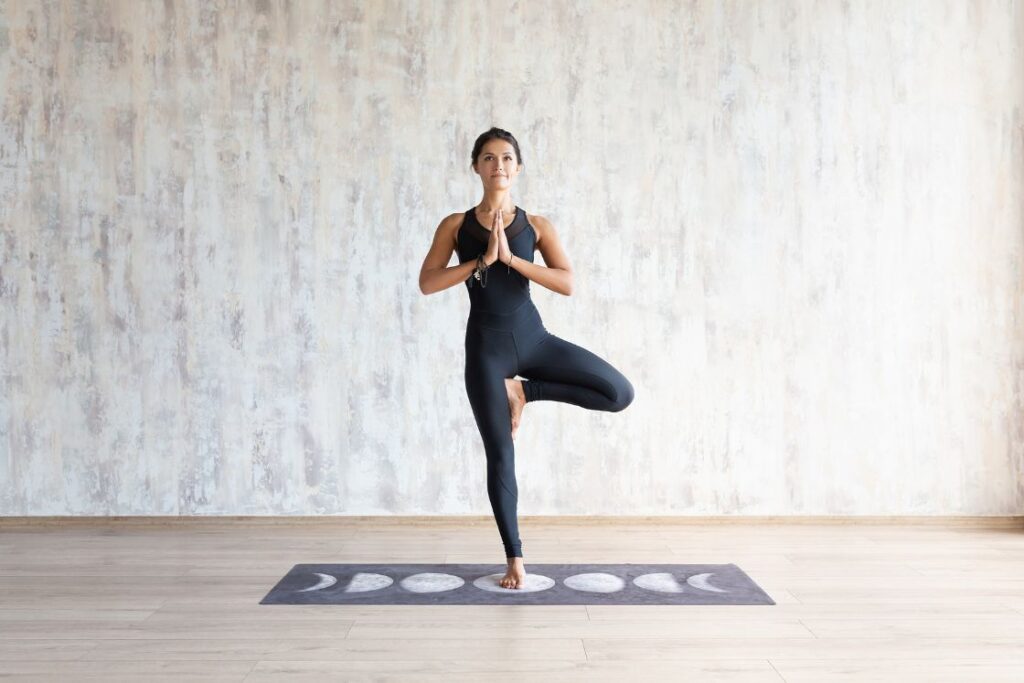
Tree Pose is a grounding and balancing posture. It’s a beautiful posture carried out in trauma-informed yoga, presents a mix of stability and introspection for these on a therapeutic journey.
The essence of Tree Pose lies to find steadiness on one leg whereas sustaining a gradual and rooted reference to the earth. This bodily grounding turns into symbolic within the launch of trauma, offering practitioners with a way of stability and help.
As people stand tall in Tree Pose, they interact the core and focus their gaze, fostering a conscious connection between physique and breath. This intentional presence permits for the discharge of pressure, notably within the decrease physique, creating area for emotional therapeutic.
Furthermore, the act of elevating one foot and putting it on the internal thigh or calf requires focus and mindfulness. This deliberate and targeted motion encourages a mild unraveling of saved feelings, making Tree Pose an embodiment of tranquility and steadiness within the journey of trauma launch.
Tree Pose for Trauma Launch: Step-by-Step Information
- Beginning Place: Start by standing tall in Mountain Pose on the prime of your mat. Floor each ft firmly into the ground, discovering a secure and cozy stance.
- Shift Weight to One Leg: Shift your weight onto your left foot, partaking the muscle tissues in your left leg. This grounding motion turns into the muse for stability in Tree Pose.
- Raise the Different Leg: Raise your proper foot off the bottom, bringing the only real of your proper foot to both the internal calf or internal thigh of the left leg. Keep away from putting the foot instantly on the knee to make sure a secure and secure place.
- Discover a Drishti (Gaze Level): Select a hard and fast level in entrance of you to focus your gaze. This helps in sustaining steadiness and focus, fostering a way of mindfulness.
- Palms in Prayer Place: Deliver your palms collectively in a prayer place at your chest, or if comfy, lengthen your arms overhead with palms going through one another. Discover a place that means that you can really feel balanced and centered.
- Interact Core Muscle tissue: Interact your core muscle tissues to stabilize your physique. This engagement not solely helps steadiness but in addition promotes a way of internal energy and resilience.
- Root Down and Raise Up: Really feel a way of rootedness by means of your standing foot whereas concurrently reaching upward by means of your backbone. This duality of grounding and growth symbolizes stability and development within the face of trauma.
- Maintain and Breathe: Maintain Tree Pose for 30 seconds to a minute, or so long as feels comfy. Focus in your breath, permitting the light swaying of the branches (your lifted leg) to turn out to be a conscious motion.
- Repeat on the Different Facet: To steadiness the pose, change sides. Shift your weight onto your proper foot and elevate your left foot to the internal calf or thigh. Repeat the identical steps on this facet.
- Exit Mindfully: To launch from Tree Pose, carry your lifted foot down with management. Return to Mountain Pose and take a second to watch the sensations in your physique.
Performing Tree Pose with conscious consciousness creates a grounded and centered expertise, making it a beneficial posture within the journey of trauma launch.
Conclusion
Practising yoga poses with mindfulness and consciousness can contribute to the gradual launch of trauma saved within the physique. It’s essential to strategy yoga poses at your personal tempo, respecting your physique’s limitations, and take into account searching for steerage from a trauma-informed yoga teacher for added help.
Keep in mind, the journey of therapeutic is exclusive to every particular person, and these poses are instruments to assist you in your path to launch saved trauma within the physique: baby’s pose, legs-up-the-wall pose, bridge pose, warrior II pose, corpse pose, cat-cow pose and tree pose.
As we weave by means of yoga poses, the journey towards trauma launch is just not merely bodily however an intricate interaction of thoughts, physique, and spirit. Every pose invitations members to embrace vulnerability, discover stability, and foster mindfulness. On this collective apply, we uncover the resilience inside, fostering a path to holistic well-being

