


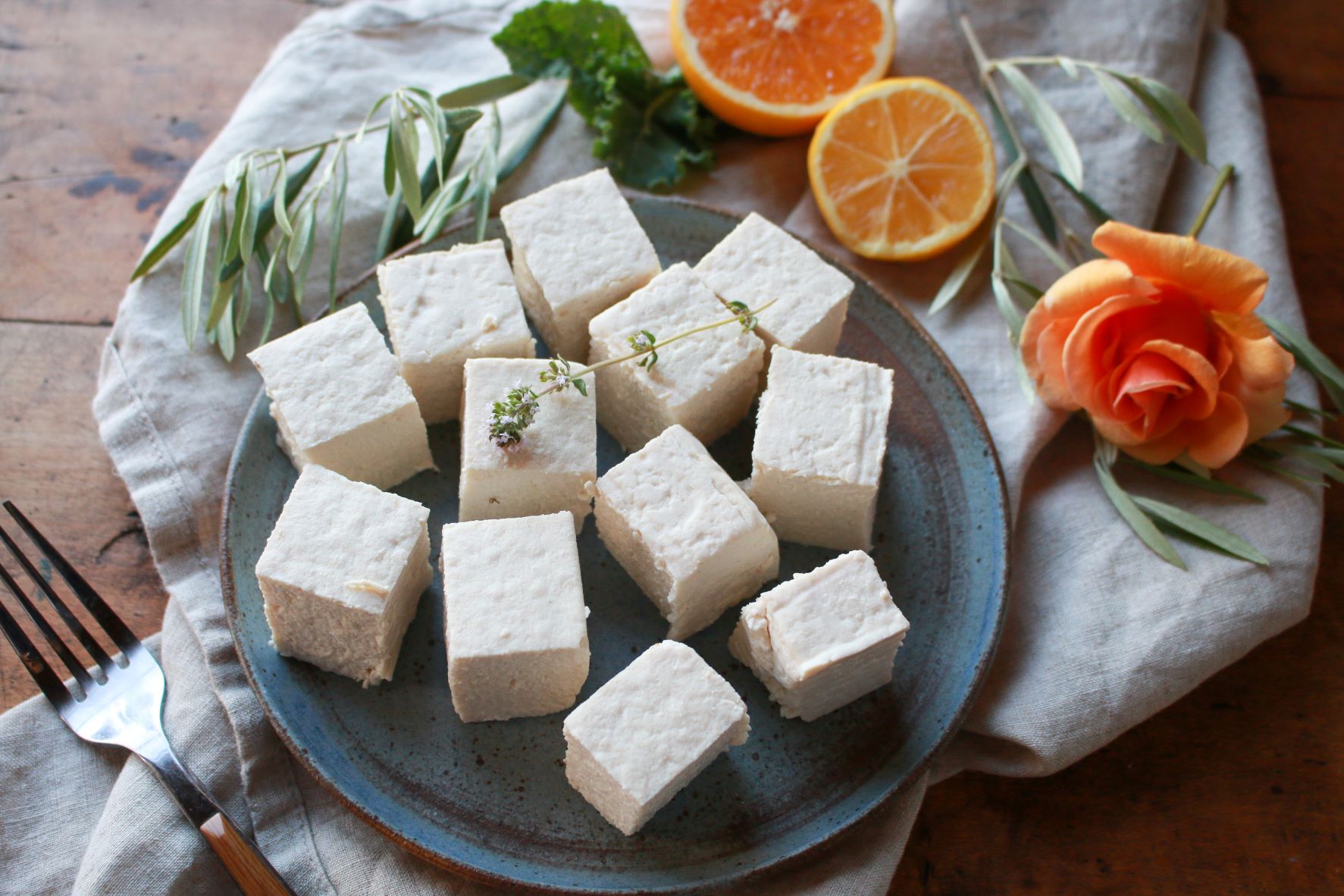
Soy is a conventional nutrient-rich meals, but it’s so misunderstood! City legends abound on soyfoods, which is why I’m busting myths on soy well being dangers immediately.
Ah, soy. An historic, conventional healthful meals in lots of cultures, but it’s extensively maligned within the U.S.! Once I communicate in public, it’s a given I’ll get questions concerning the dangers of consuming soy inside a wholesome, plant-based weight-reduction plan. In actuality, soy is likely one of the most generally studied meals of all time, and it’s considered one of nature’s most excellent meals. One cup of cooked soybeans gives 57% DV protein, 41% DV fiber, 49% DV iron, 18% DV calcium, 1,029 mg omega-3s, not less than 18% DV of twelve different important nutritional vitamins and minerals, in addition to different phytochemicals (saponins, phytosterols, and isoflavones). As well as, quite a few research have demonstrated many well being advantages linked with consuming extra soyfoods. Regardless of all of these well being advantages, soy myths and concrete legends abound. When entered into Google search, “soy risks” yields 1,200,000 outcomes. Why is that this the case? That’s precisely what I’m uncovering as I bust the highest 5 soy myths immediately.

You’ll find so many pseudo consultants proclaiming the hazards of consuming soy on the Web and social media. Paleo Leap calls soy “a very unhealthy supply of energy” and goes on to say soy will mess up your thyroid, metabolism, and hormone ranges. On YouTube, you’ll find “vitamin consultants” calling soybean “harmful and inflammatory junk”. The Weston A. Value Basis calls soy “extraordinarily poisonous”, and claims it might trigger untimely sexual improvement in women and delayed improvement in boys. So, with all of this conflicting data, what is absolutely the reality behind soy?

What Are Soyfoods?
First cultivated in China in 1100 BC, soy has been consumed often in Asian populations for hundreds of years. In Japan—a rustic with low breast and prostate most cancers charges and excessive life longevity—it’s included within the weight-reduction plan day by day. Even exterior of the Asian neighborhood, vegetarians have relied on this top quality protein for many years, and far of the present scientific analysis reveals soy is linked with lowered ldl cholesterol, decrease threat of coronary heart illness, attainable discount of scorching flashes, and lowered threat of breast and prostate most cancers. Consuming soy is likely one of the many the reason why vegetarians have, on common, a greater state of well being than those that devour meat. So, with a lot data to know and digest, let’s begin by taking up a few of immediately’s prime soy myths feeding into the worry of consuming soy. Whilst you’re at it, take a look at this interview with Mark Messina as we discuss soy and well being.

Busting 5 Myths on Soy Well being Dangers

Fable #1: Soy Causes Breast Most cancers
This stems from the confusion over phytoestrogens and previous analysis research, which has led to breast most cancers fears amongst common shoppers and well being care professionals. Scientifically, estrogen has been linked with an elevated threat of breast most cancers, as there estrogen receptors in breast tissue. When the estrogen snaps in, it promotes breast tumors. Within the Nineteen Nineties, researchers raised questions on soy and phytoestrogens by means of animal experiments executed, which confirmed combined outcomes. The necessary truth to notice is that phytoestrogens aren’t estrogen, and act very in a different way in people than estrogen.
There are methods to make use of your weight-reduction plan to assist scale back the dangers for most cancers and, based on the American Most cancers Society, considered one of them is to devour complete soy meals, as these are anti-inflammatory, and supply antioxidant properties that scale back most cancers progress. In truth, isoflavones are one of many many phytochemicals present in soy which will play function in lowering most cancers threat. Analysis carried out on laboratory, animal, and human observational research counsel that soy could scale back threat of cancers, together with breast, prostate, ovarian, and uterine, and enormous research in ladies with excessive soy-food consumption present decrease threat of breast and endometrial most cancers.
It has been proven that isoflavones can block stronger pure estrogens from binding to any estrogen receptor, cease formation of estrogens in fats tissue, and stimulate manufacturing of a protein that binds estrogen in blood. A latest examine from the Breast Most cancers Remedy confirmed knowledge from 14 research that discovered ladies in Asian nations who ate probably the most soy isoflavones had a 24% decrease threat of breast most cancers. Whereas most cancers safety must be confirmed in human medical trials, human research sponsored by NCI are underneath manner. Some research counsel the impact of soy on breast most cancers threat is determined by age when consumed. Excessive soy consumption by younger ladies when breast tissue is growing and estrogen ranges are excessive could supply safety.
At present, there are two positions on soy consumption: the AICR states that soy meals are protected—even for breast most cancers survivors—in reasonable quantities, and ladies can devour one to 2 (some research present even as much as 3) servings per day. The ACS states that reasonable consumption is protected for most cancers prevention and breast most cancers survivors, though they advocate complete soyfoods over dietary supplements. One serving of soy averages 7 g protein and 25 mg isoflavones.

Fable #2: Soy Is Not Sustainable
There’s a whole lot of debate surrounding GMOs and trendy farming, and this impacts soy’s repute amongst shoppers. Nonetheless, most soy-foods are non-GMO, together with soymilk and dairy options, tofu, tempeh, and edamame. The U.S. Dept. of Commerce calculates U.S. manufacturing of soy protein for human consumption barely lower than 1% whole soybean manufacturing, with the remainder going primarily to animal feed (Not together with complete non-GMO soybeans utilized in manufacturing of soymilk, tofu, and different merchandise similar to edamame, as this knowledge will not be collected). AHS-2 discovered the vegan carbon footprint 42% decrease than non-vegetarians, vegetarian 28% decrease, pescovegetarian 24% decrease, semi-vegetarian about 20% decrease, and the EWG Meat Eater’s Information in contrast 20 completely different meals solely to search out that tofu had a a lot decrease impression on GGEs than different animal proteins, similar to lamb and beef. This goes to point out that animals are inefficient protein producers, and that soy is extra effectively produced when it comes to power, water and land use.

Fable #3: Soy Is Not Good For The Planet
As freshwater assets change into strained and meals manufacturing turns into compromised, manufacturing of meals will probably be measured by quantity of water wanted to provide high-quality protein. Soybeans are extra environment friendly protein supply per cubic meter of water utilized in manufacturing, and contemplating the quantity of fossil power inputs (similar to gasoline, fertilizer, pesticides, transportation) required to provide soybeans, soy-based meals ship the most important variety of energy and highest protein density for human consumption per quantity of fossil gasoline enter.

Fable #4: Soy Feminizes Males
In response to a examine performed by Fertil Steril, quite a few human research present males who consumed 40 – 70 mg/day soy isoflavones from 1 – 2 servings of soyfoods or soy dietary supplements had no important adjustments in testosterone ranges. Populations consuming excessive quantity of soyfoods don’t present elevated charges of fertility points, and an evaluation of 14 research by the American Journal of Medical Diet confirmed elevated soy consumption resulted in 26% discount in prostate most cancers threat.

Fable #5: Soy Is Not Secure For Kids
Truly, kids have been consuming soy merchandise in Asia safely for hundreds of years, and there are not any apparent dangerous results. The really useful protected dose for youngsters is as much as two servings per day of complete meals. In response to Arkansas Kids’s Diet Heart, a long run examine of 600 kids (3 mo – 14 yr) was performed evaluating breast milk to soy and dairy formulation. Soy formula-fed youngsters developed at related charges, and had no estrogenic results throughout improvement of reproductive organs throughout first 4 months. Soy is on the Prime 8 Meals Allergen listing, nevertheless allergic reactions are nonetheless comparatively uncommon; solely 0.4% of all kids underneath age of 18 are allergic. Allergic response not deadly like peanuts.

